Application-first guidance
Machine selection begins with the weld or cut to be made, not with a generic equipment list.

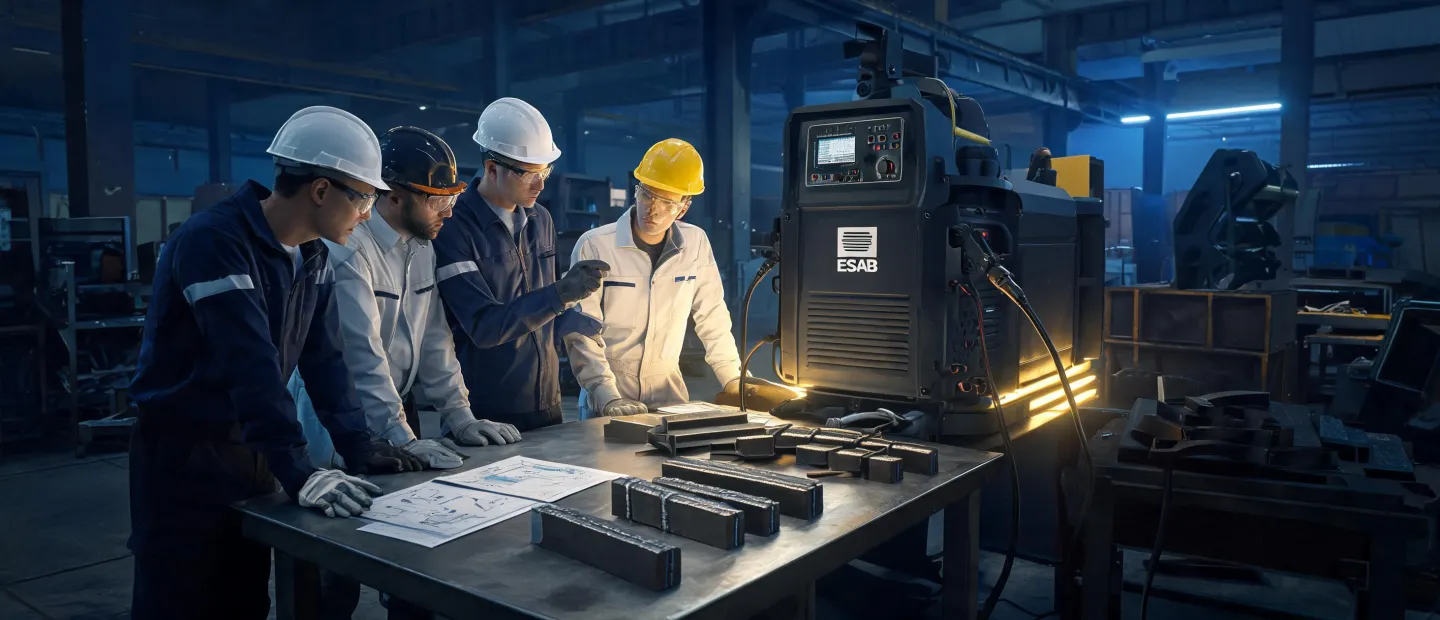
ESAB is presented here as a technical welding equipment partner for buyers who need credible machine guidance, process context, and documentation before committing capital.
Industrial welding buyers rarely select a power source in isolation. They weigh process stability, service access, operator familiarity, consumables, conformance records, and how the machine will fit into existing production flow. ESAB communication is therefore written for engineers, fabrication managers, maintenance supervisors, training coordinators, and procurement teams who need a shared technical language. The brand voice is direct, measured, and evidence oriented: describe the process, list the constraints, state the tradeoffs, and make the next step easy to evaluate.
This site frames ESAB around welding and cutting equipment categories that matter in commercial machinery purchasing. MIG welders support production and repair throughput. TIG welders address precision, alloy control, and careful heat input. MMA / stick welders keep field repair and structural work moving when conditions are harsh. Plasma cutters shape material preparation, maintenance work, and mechanized cutting flows. Multi-process welding machines help teams reduce equipment sprawl when job types change through the week. Each category is treated as part of a broader operating system rather than a catalog tile.
Machine selection begins with the weld or cut to be made, not with a generic equipment list.
Buyers receive practical notes around duty cycle, electrical environment, accessories, and standards.
Recommendations can serve single repair benches, training labs, fabrication bays, or automation cells.
Consumables, torches, cables, maintenance habits, and operator training are considered alongside the machine.
Every recommendation should name the welding or cutting process, the material range, and the reason a machine class is being considered.
Authority means avoiding unnecessary complexity when a simpler machine, accessory package, or power configuration will serve the work reliably.
Generator power, long leads, dusty floors, frequent transport, and mixed operator experience are treated as engineering facts rather than afterthoughts.
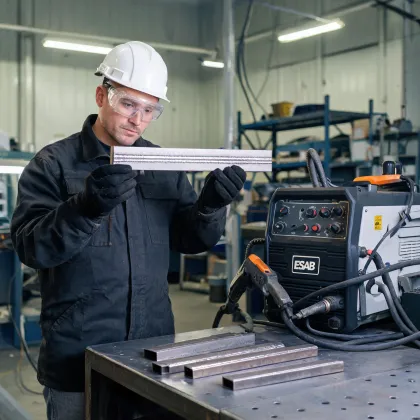
Reviews material, amperage, joint access, heat input, and welding procedure goals.
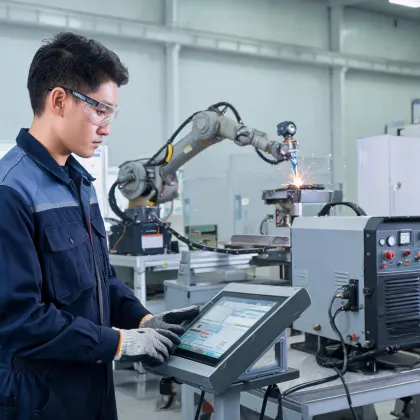
Evaluates interface needs, repeatability, data capture, torch access, and cell readiness.
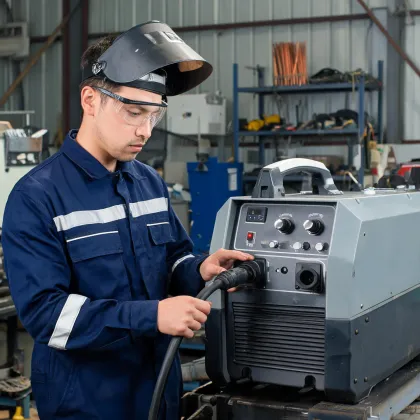
Focuses on maintenance planning, parts access, safe setup, and practical uptime habits.
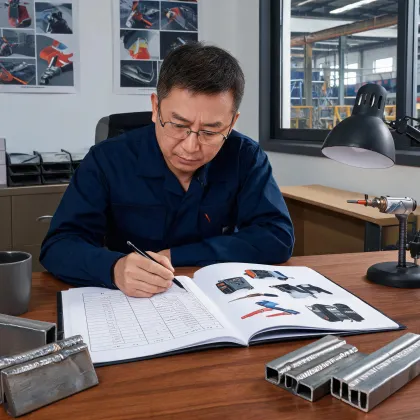
Coordinates product scope, distributor routing, lead time expectations, and quote completeness.
 Quality systems
 Electrical safety
 Welding standards
 Training support
Use the form to request product context, documentation, and a technical overview suitable for engineering, purchasing, and maintenance discussion.