Parameter discipline
Define voltage, amperage, wire feed, gas, torch, and cut settings around the real material range.

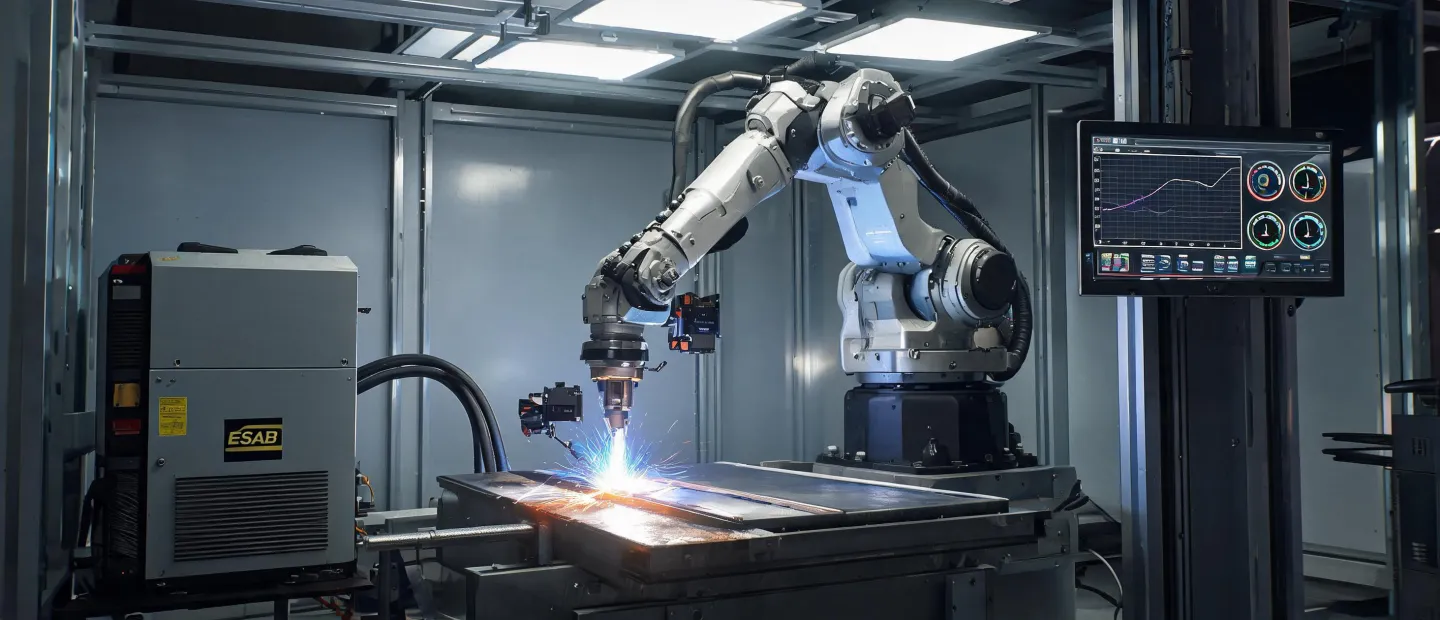
Technology here means process control, automation readiness, data visibility, and practical operator workflows for buyers comparing modern welding machines and cutting systems.
Industrial welding technology succeeds when it makes work easier to repeat. A buyer may start with manual MIG machines and later add procedure memory, remote control, water cooling, wire feed options, or automation interfaces. Another team may begin with plasma cutting and eventually connect cutting data to material preparation workflows. ESAB technology planning treats these steps as a roadmap: capture the process requirement, stabilize the machine setup, make operator behavior more consistent, then connect information to the people responsible for quality and maintenance. The purpose is not novelty; it is a more predictable weld or cut.
Define voltage, amperage, wire feed, gas, torch, and cut settings around the real material range.
Use clear controls, saved settings, and setup references so shifts can reproduce accepted work.
Prepare power sources, torches, and signals for fixtures, robots, mechanized cutting, or monitored cells.
Review process records, utilization notes, and maintenance signals where production teams can act on them.
Machine controls, torch setup, and process presets reduce spatter, rework, and operator guesswork during repeated production tasks.
4 process familiesAutomation planning considers torch access, signal requirements, duty cycle, cable routing, service space, and documentation.
24/7 cell planningAir quality, consumable selection, pierce behavior, and cut speed affect downstream fit-up and fabrication throughput.
Manual + mechanized
Translate process needs into fixtures, robots, torch packages, and commissioning plans.

Support availability, accessories, regional service routing, and commercial continuity.

Use records, settings, and procedure notes to review repeatability and documentation.
Plan consumables, cables, cooling, calibration checks, and uptime routines.
Send the process goal, equipment type, and integration environment. ESAB can help frame a technology path that fits the shop floor rather than a buzzword list.